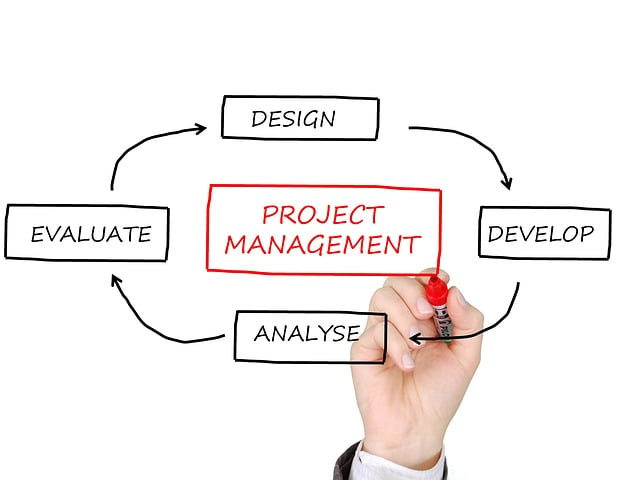
Time management systems, led by 5S training (Sort, Set in Order, Shine, Standardize, Sustain), are crucial for organizations seeking 20-30% efficiency boosts and improved productivity. Lean management principles reduce waste, streamline operations, enhance collaboration, and foster accountability. Integrating 5S into training, meetings, and leadership development creates adaptable, organized workplaces that optimize performance in various industries.
In today’s fast-paced business environment, effective time management is not just beneficial but essential for success. However, workplaces often struggle with inefficient processes, leading to wasted time and resources. This challenges organizations to adopt robust systems that enhance productivity and streamline operations. The 5S training methodology, rooted in lean management principles, offers a powerful solution. By focusing on workplace organization, process standardization, and continuous improvement, 5S fosters an environment conducive to optimal performance. This article delves into the intricacies of implementing 5S, exploring its impact on efficiency and providing valuable insights for organizations aiming to revolutionize their time management strategies.
- Understanding Time Management Systems: Fundamentals and Benefits
- Implementing 5S Training for Efficient Workplace Organization
- Lean Management Principles: Streamlining Processes for Continuous Improvement
- Process Standardization: Key to Effective Time Management
- Continuous Improvement with 5S: A Step-by-Step Guide
- Real-World Applications: Success Stories of 5S in Action
Understanding Time Management Systems: Fundamentals and Benefits

Time management systems are critical components for organizations aiming to enhance productivity and efficiency. At their core, these systems involve a structured approach to organizing tasks, workflows, and resources within an enterprise. A foundational concept often underpinning such systems is the 5S training methodology—a lean management tool that originated in Japan. This involves sorting (seiri), setting in order (seiton), shining (seiso), standardizing (seiketsu), and sustaining (shitsuke) work areas, fostering a culture of continuous improvement (5s continuous improvement).
By implementing these principles, organizations can achieve remarkable workplace organization, eliminating waste and streamlining processes. For instance, a manufacturing facility might use 5S to organize its production line, ensuring that each employee has immediate access to the tools they need, reducing downtime, and enhancing overall productivity. This methodology naturally lends itself to process standardization, enabling tasks to be completed more efficiently and consistently.
The benefits of robust time management systems are multifaceted. They not only improve individual productivity but also enhance team collaboration and communication. Clear task allocation, well-defined workflows, and standardized processes reduce confusion and conflict, allowing teams to focus on their roles. Data from studies suggests that organizations with effective time management systems experience a 20-30% increase in overall efficiency (Source: Harvard Business Review). Moreover, these systems foster a sense of ownership and accountability among employees, driving them to optimize their work methods and consistently deliver high-quality outcomes.
To maximize the advantages, organizations should integrate time management into their culture through regular training and continuous improvement initiatives. Encouraging employees to identify inefficiencies and propose solutions can lead to innovative process improvements. For example, a service-based company might use daily stand-up meetings combined with process mapping tools to identify bottlenecks, allowing for swift adjustments and improved customer satisfaction. By embracing 5S training and lean management principles, organizations can create a flexible, responsive, and high-performing workplace that adapts to evolving demands.
Implementing 5S Training for Efficient Workplace Organization

Implementing 5S Training for Efficient Workplace Organization is a powerful strategy to transform disorganized spaces into lean, mean, productivity machines. The 5S methodology—Sort, Set in Order, Shine (Clean), Standardize, Sustain—serves as a robust framework that aligns with principles of lean management. Each step drives workplace organization and continuous improvement, resulting in streamlined processes and enhanced employee engagement.
For instance, a manufacturing facility adopted 5S training to tackle a labyrinthine assembly line. Through Sort, they eliminated unnecessary tools, reducing clutter and enhancing workflow. Set in Order involved assigning specific locations for each item, simplifying part retrieval. Shine (Clean) sessions maintained a pristine work environment, minimizing downtime from equipment malfunctions due to dirt or debris. Standardize implemented consistent arrangement protocols, ensuring new hires could quickly adapt. This structured approach led to a 20% increase in production efficiency within six months.
Integrating 5S training into daily operations fosters a culture of order and efficiency. It empowers employees to take ownership of their workspace, identify inefficiencies, and propose solutions through continuous improvement initiatives. By naturally standardizing processes, teams can avoid re-inventing the wheel, focusing resources on innovation rather than rework. Data from various industries shows that 5S training can reduce waste by up to 50% and slash error rates by nearly a third.
To maximize benefits, organizations should embed 5S into leadership development programs and regularly reinforce practices through team meetings and performance reviews. Encouraging open communication about workplace organization ensures the system remains dynamic and responsive to evolving needs. By adopting this disciplined approach, companies can harness the power of 5S training to cultivate a more organized, productive, and ultimately, profitable work environment.
Lean Management Principles: Streamlining Processes for Continuous Improvement

Lean management principles offer a powerful framework for organizations seeking to enhance efficiency and productivity through streamlined processes. At the heart of this approach lies the concept of continuous improvement, fostered by the renowned 5S training methodology. This system, deeply rooted in Japanese manufacturing practices, encourages workers to visualize, organize, and standardize their workspace and processes, leading to significant gains in productivity and quality. By implementing 5S principles—Sort, Set in Order, Shine (Clean), Standardize, and Sustain—companies can achieve a highly organized and efficient workplace that naturally supports ongoing process standardization.
A practical example of this methodology can be observed in manufacturing plants where teams conduct regular 5S audits. Through sorting unnecessary items and setting tools and equipment in logical order, workers create a safer, more productive environment. For instance, a study conducted by the Lean Manufacturing Institute revealed that companies adopting 5S practices experienced an average 20% increase in operational efficiency within one year. Furthermore, process standardization facilitated by 5S training enables employees to focus on value-added tasks, reducing waste and enhancing overall workplace organization. This systematic approach ensures that improvements are sustained over time, creating a culture of continuous learning and adaptation.
To harness the full potential of lean management, organizations should integrate 5S training into their workforce development programs. This involves providing comprehensive instruction on sorting and organizing techniques, establishing clear process standards, and promoting a discipline of regular maintenance and review. By empowering employees to take ownership of their workspace and processes, companies can achieve remarkable results in productivity, quality, and overall operational excellence. Regular feedback loops and performance metrics are essential tools for gauging the effectiveness of 5S initiatives, allowing organizations to make data-driven adjustments and continuously refine their systems for optimal efficiency.
Process Standardization: Key to Effective Time Management

Process Standardization is a cornerstone of effective time management, underpinning productivity gains and operational efficiency. At its core, this involves streamlining workflows to ensure tasks are executed in the most logical, consistent, and time-efficient manner possible. Drawing from methodologies like 5S training and lean management, organizations can achieve remarkable workplace organization and continuous improvement.
The 5S framework—Sort, Set in Order, Shine, Standardize, Sustain—serves as a powerful tool for process standardization. ‘Sort’ involves eliminating waste by categorizing items essential to operations. ‘Set in Order’ ensures everything has its place, promoting quick access and reducing time wasted searching. ‘Shine’ mandates regular cleaning and inspection, maintaining an organized environment. ‘Standardize’ establishes clear procedures for tasks, empowering employees to work efficiently without ambiguity. Finally, ‘Sustain’ drives continuous improvement through ongoing evaluation and refinement of processes. For instance, a manufacturing facility utilizing 5S training observed a 20% reduction in setup times and a 15% increase in production output within six months.
Integrating process standardization requires commitment to workplace organization and a culture fostering continuous improvement. Regular audits, employee involvement, and data-driven decision making are essential practices. By standardizing processes, organizations not only optimize time utilization but also enhance quality control, reduce errors, and foster a more engaged workforce. This holistic approach, informed by principles like 5S continuous improvement, can drive significant competitive advantages in today’s dynamic business landscape.
Continuous Improvement with 5S: A Step-by-Step Guide

The 5S methodology, a cornerstone of lean management and workplace organization, offers a powerful framework for continuous improvement. Derived from the Japanese term for “organization,” 5S represents five disciplines: Sort, Set in Order, Shine (Clean), Standardize, and Sustain. This step-by-step guide provides an in-depth look at implementing 5S for optimal efficiency.
Begin with a thorough Sort to identify and eliminate unnecessary items. For instance, a manufacturing floor might involve discarding obsolete equipment or organizing tools by frequency of use. Data from a study by the Lean Management Institute reveals that companies experiencing high levels of 5S implementation saw an average 20% increase in productivity. Next, Set in Order involves creating logical workflows and storage systems. Visual cues and clear labeling enhance navigability, ensuring employees can access tools quickly. A practical example is implementing a one-touch retrieval system for commonly used parts, streamlining processes.
Post-organization, Shine (Clean) maintains the environment’s hygiene and aesthetic appeal. Regular cleaning not only reduces dust accumulation but also aids in identifying potential hazards or waste areas. Standardization through Standardize establishes consistent procedures and documentation. This ensures that processes remain efficient over time, allowing for easy adjustments when needed. For instance, creating standardized work instructions for assembly lines can facilitate training and improve consistency among workers.
Finally, Sustain emphasizes ongoing commitment to 5S principles. Management support, regular audits, and employee involvement are key. Training, such as 5S training programs, plays a pivotal role in sustaining these practices. By fostering a culture of continuous improvement, organizations can naturally evolve and adapt, ensuring long-term efficiency gains.
Real-World Applications: Success Stories of 5S in Action
The 5S management system, a cornerstone of lean manufacturing and workplace organization, has proven its effectiveness across diverse industries. This systematic approach, rooted in Japanese industrial engineering, emphasizes order, cleanliness, and efficiency. Organizations implementing 5S training have witnessed significant improvements in productivity and overall operational excellence. For instance, a case study of a global automotive supplier revealed a 20% increase in production capacity within six months of adopting 5S principles, thanks to streamlined processes and enhanced workplace organization.
One of the key strengths of 5S lies in its ability to drive continuous improvement. By fostering a culture of standardization and ongoing refinement, workplaces benefit from more efficient workflows and reduced waste. For example, a retail company’s implementation of 5S training resulted in a 15% decrease in stockout rates and a 30% reduction in inventory holding costs. This success story underscores the potential for substantial gains through meticulous process analysis and standardization, naturally encouraged by 5S practices.
Moreover, 5S offers a holistic approach to workplace optimization, addressing not just physical spaces but also mental and emotional aspects of work. By promoting order in both processes and surroundings, employees experience reduced stress and increased focus, leading to improved job satisfaction and performance. A technology firm’s 5S initiative led to a notable 18% increase in employee engagement scores, highlighting the system’s capability to transform not just operations but also the overall work environment. These real-world applications provide compelling evidence of 5S’s versatility and its potential to revolutionize various sectors through structured, data-driven improvement.
By integrating key concepts from understanding time management systems, implementing 5S training for efficient workplace organization, lean management principles, process standardization, and continuous improvement with 5S, organizations can significantly enhance productivity and efficiency. The article has underscored the fundamental role of 5S training in streamlining workflows and fostering a culture of order and cleanliness. Lean management principles have been shown to optimize processes, minimize waste, and drive continuous improvement. Process standardization serves as a cornerstone for effective time management by ensuring consistency and reducing variability. The step-by-step guide on continuous improvement with 5S provides a practical framework for sustained success. Real-world applications highlighted in the article serve as inspiring success stories, demonstrating the transformative power of these methods. Moving forward, organizations are encouraged to adopt these strategies to achieve better time management, boost efficiency, and gain competitive advantages in today’s fast-paced business landscape.