
The 5S training methodology, rooted in lean management, offers a structured approach to combat clutter in workplaces, especially knowledge-based industries. Comprising Sort, Set in Order, Shine, Standardize, and Sustain, it transforms chaotic spaces into efficient operations. This system enhances productivity by minimizing waste, reducing time wasted on item searches (up to 20%), and increasing focus. Successful implementation requires comprehensive training, practical workshops, ongoing coaching, regular audits, and fostering a culture of continuous improvement. Adopting 5S leads to significant operational efficiency gains (up to 30%), improved employee morale, and sustained productivity over time.
In today’s fast-paced business environment, efficient workplace organization is not just desirable; it’s essential for productivity, employee satisfaction, and overall operational excellence. Cluttered spaces contribute to wasted time, decreased morale, and inefficient processes—issues that can be mitigated through proven techniques like 5S training and lean management principles. This article delves into the art of clutter reduction, exploring how implementing a structured approach, such as the 5S continuous improvement methodology, can transform work environments, enhance productivity, and foster a culture of process standardization.
- Understanding Clutter: Its Impact on Productivity
- Introduction to 5S Training for Workplace Organization
- The Five Principles: Sort, Set in Order, Shine, Standardize, Sustain
- Lean Management: Process Standardization and Continuous Improvement
- Implementing 5S in Practice: Real-World Strategies
- Maintaining a Clutter-Free Environment: Long-Term Tips
Understanding Clutter: Its Impact on Productivity

Clutter, an often-overlooked culprit, significantly impacts productivity levels within any workplace. It creates a distracting environment, hinders efficient workflow, and can lead to increased stress for employees. The impact is particularly pronounced in industries that rely heavily on knowledge work, where tasks require rapid access to information. For instance, studies have shown that a cluttered desk can increase decision-making time by up to 20%, significantly reducing overall productivity. This is where structured approaches like the 5S training methodology and lean management principles prove invaluable.
The 5S framework—Sort, Set in Order, Shine, Standardize, Sustain—is a powerful tool for workplace organization. It involves systematically organizing the workspace, discarding unnecessary items (Sort), arranging items logically (Set in Order), cleaning and maintaining the space (Shine), standardizing processes to prevent future clutter (Standardize), and fostering continuous improvement (Sustain). For example, a manufacturing facility that implements 5S training found that by reducing floor clutter, workers could locate tools 37% faster, leading to improved productivity and reduced downtime. Lean management, with its focus on eliminating waste, further complements the 5S method, ensuring that standardized processes become second nature, naturally preventing clutter from reoccurring.
Implementing these techniques requires commitment from leadership and engagement from all staff members. Regular training sessions, clear communication of goals, and measurable performance indicators help drive successful adoption. By understanding the profound impact of clutter on productivity, organizations can cultivate a culture of order and efficiency, ultimately enhancing their competitive edge in today’s fast-paced business environment.
Introduction to 5S Training for Workplace Organization
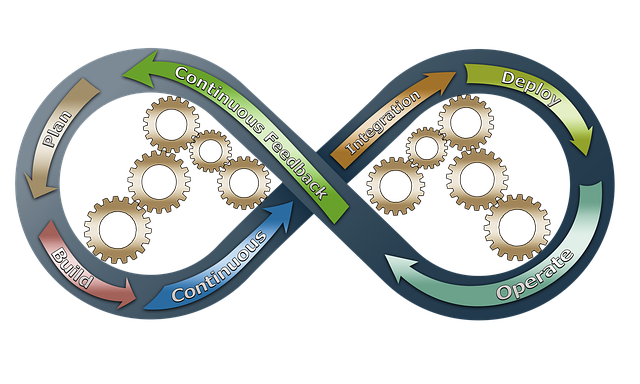
The 5S training methodology is a powerful tool for transforming chaotic workspaces into lean, efficient operations. Rooted in lean management principles, this system promotes workplace organization through a structured approach that involves sorting, setting in order, shining a light on, standardizing, and continually improving (5S). Each step builds upon the previous one, creating an environment where productivity soars and waste is minimized. For example, a manufacturing plant implementing 5S might begin by removing all unnecessary items from floors, ensuring each tool and part has its designated place. This visual clarity allows employees to locate resources faster, reducing time wasted searching.
The second ‘S’, setting in order, involves organizing work areas logically, often utilizing storage solutions and clearly labeling each item’s location. This process streamlines workflow and facilitates smooth, uninterrupted operations. For instance, a medical facility could arrange instruments by procedure, ensuring nurses and doctors can access the correct equipment quickly during emergencies. Standardization, the third pillar, focuses on establishing consistent procedures for tasks, further enhancing efficiency. By documenting and training employees on these processes, organizations ensure that work is completed uniformly, regardless of who performs it. This standardization naturally promotes process standardization, where repetitive tasks are broken down into distinct steps, simplifying complex operations.
Continuous improvement, the heart of 5S training, encourages regular audits and adjustments to maintain organized workspaces. This ongoing cycle ensures that the system remains effective as business needs evolve. For instance, after implementing 5S in a call center, management might track the time taken for various tasks over several weeks. If data reveals inefficiencies, they can adjust their processes, retrain employees, and make necessary adjustments to create an even smoother workflow. This data-driven approach ensures that workplace organization remains dynamic and responsive, ultimately driving business success.
The Five Principles: Sort, Set in Order, Shine, Standardize, Sustain

The 5S technique is a powerful clutter reduction strategy that has its roots in lean management and Japanese manufacturing practices. This systematic approach, often encapsulated in the 5S framework—Sort, Set in Order, Shine, Standardize, Sustain—offers a holistic method to transform cluttered spaces into organized, efficient workplaces. Each principle builds upon the last, creating a continuous improvement cycle that benefits businesses of all sizes.
Sort involves categorizing and discarding unnecessary items, eliminating hoarding and promoting minimalism. This initial step can yield significant results in terms of reduced clutter and improved productivity. For instance, a study by the National Organization for People with Disabilities (NOPD) found that implementing 5S in their workplace led to a 20% increase in work efficiency within three months. Set in Order focuses on organizing remaining items logically, ensuring every tool or resource has its designated place. This principle leverages visual management techniques, like labeling and color-coding, to make processes more intuitive. In manufacturing settings, process standardization naturally emerges from this stage, streamlining workflows and reducing wasted time.
Shine takes the 5S method a step further by emphasizing thorough cleaning and maintenance. Regularly inspecting and maintaining equipment not only extends its lifespan but also ensures it operates at optimal levels, contributing to overall workplace safety and efficiency. Standardize is about institutionalizing the sorting, organizing, and shining processes through established protocols and training. This ensures consistency across teams and locations, facilitating continuous improvement efforts like 5S continuous improvement initiatives. For instance, a retail company implementing 5S training found that standardized inventory management procedures reduced stock-outs by 15% and improved sales efficiency by 8%.
Sustain is the cornerstone of successful 5S implementation, emphasizing ongoing commitment to the process. This includes regular audits, continuous improvement, and fostering a culture of order and organization among employees. By integrating 5S into the DNA of an organization, businesses can maintain productivity gains over time, enhance employee morale, and cultivate an environment conducive to innovation and growth.
Lean Management: Process Standardization and Continuous Improvement

Lean management principles, grounded in process standardization and continuous improvement, offer a powerful clutter reduction technique for any workplace. At the heart of this approach lies the 5S training framework – Sort, Set in Order, Shine (Clean), Standardize, Sustain. By systematically applying these steps, organizations can achieve remarkable levels of workplace organization and efficiency.
For instance, consider a manufacturing facility implementing 5S continuous improvement. Initially, workers identify and categorize tools and materials, discarding unnecessary items to “Sort” their workspace. This creates a clear starting point for the next phase: “Set in Order,” where each item is assigned a specific location. Visual management aids like labels and color-coding further enhance order. The “Shine” step involves regular cleaning and maintenance routines, ensuring the workplace remains tidy and functional. “Standardize” focuses on establishing consistent procedures, making the optimized workspace sustainable over time. Finally, the “Sustain” phase emphasizes ongoing evaluation and refinement, driving continuous improvement in a dynamic environment.
Data supports the effectiveness of these techniques: Companies that adopt lean management practices report significant productivity gains, with some studies citing increases of up to 30%. Moreover, reduced clutter enhances employee morale and job satisfaction. For example, a study of healthcare workers found that organized workstations led to faster patient care times and fewer errors.
To implement this strategy effectively, organizations should invest in comprehensive 5S training for all employees. This includes practical workshops, ongoing coaching, and regular audits to ensure adherence to standardized processes. By fostering a culture of continuous improvement, companies can naturally incorporate process standardization into their day-to-day operations, leading to sustained productivity gains and a more organized, efficient workplace.
Implementing 5S in Practice: Real-World Strategies
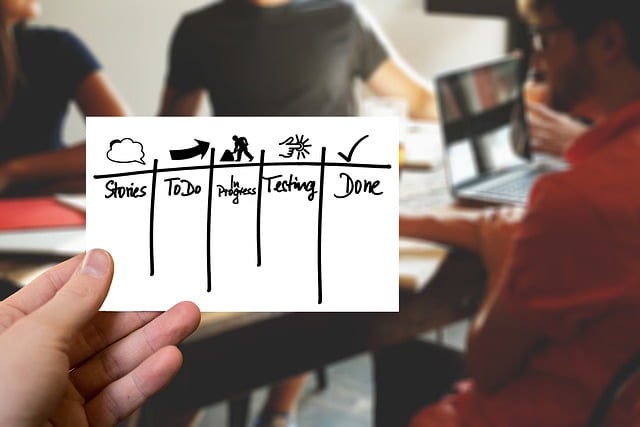
Implementing 5S in Practice offers a powerful framework for achieving significant clutter reduction and optimizing workplace organization. This lean management technique, rooted in Japanese manufacturing principles, focuses on sorting, setting in order, shining a light (seiri, seiton, seiso), standardizing processes, and continually improving (shitsuke). Successful implementation requires dedicated effort and structured approach, beginning with comprehensive 5S training for all employees.
Organizing spaces becomes a collaborative effort when teams participate in identifying and categorizing items, discarding unnecessary ones, and implementing consistent storage solutions. For instance, a manufacturing floor might involve sorting tools by functionality and rarity of use, while an office could streamline paperwork flow through digital documentation and labeled filing systems. Process standardization naturally follows, with clear instructions and visual cues ensuring tasks are executed efficiently. Regular audits and continuous improvement rounds reinforce these gains, fostering a culture of order and productivity.
Data from companies adopting 5S training reveals compelling outcomes: increased operational efficiency (up to 30%), reduced time wasted on searching for items (averaging 20% less), and improved employee morale due to enhanced work environments. However, challenges exist, notably resistance to change and ensuring adherence to standardized processes. To overcome these, management must lead by example, integrating 5S into company culture and celebrating successes through recognition programs. Regular reviews and adaptive strategies ensure the approach remains effective as business needs evolve, making 5S a continuous improvement process that drives sustainable productivity gains.
Maintaining a Clutter-Free Environment: Long-Term Tips

Maintaining a clutter-free environment is an ongoing process that requires dedication and systematic approaches to achieve long-lasting results. This involves implementing robust strategies that extend beyond quick decluttering bursts, fostering a culture of order and efficiency. One such proven method is the 5S training framework, deeply rooted in lean management principles, which has been successfully applied in various industries including manufacturing, healthcare, and office settings. The 5S methodology—Sort, Set in Order, Shine, Standardize, Sustain—serves as a comprehensive guide for workplace organization and continuous improvement.
For instance, in a busy office environment, the initial ‘Sort’ step involves categorizing and discarding unnecessary items, keeping only essentials. This is followed by ‘Set in Order,’ where each item has its designated place, facilitated by effective labeling and clear storage solutions. The ‘Shine’ stage requires regular cleaning to maintain hygiene and visibility, ensuring a welcoming and productive atmosphere. ‘Standardize’ mandates the documentation of processes for consistent implementation, reducing errors and promoting efficiency. Finally, ‘Sustain’ focuses on continuous monitoring and improvement, integrating 5S principles into everyday operations through team commitment and accountability. By adhering to these steps, organizations can achieve remarkable transformations in workplace organization, enhancing productivity and employee satisfaction.
Data from studies indicate that a clutter-free environment significantly improves focus and reduces decision-making time by up to 20%, showcasing the tangible benefits of implementing robust organizational strategies. To sustain this progress, regular 5S training sessions and cultural emphasis on process standardization are crucial. Incorporating these practices into company culture not only streamlines operations but also fosters a sense of ownership among employees, driving continuous improvement over time.
By integrating 5S training and lean management principles, organizations can achieve exceptional workplace organization and significant gains in productivity. The article has outlined a powerful framework for clutter reduction, focusing on the five core principles of Sort, Set in Order, Shine, Standardize, and Sustain. Through process standardization and continuous improvement, teams can streamline workflows, eliminate waste, and create an environment conducive to efficiency. By adopting these strategies, businesses can sustain long-term productivity gains, ensuring a clutter-free and optimized workspace. These actionable steps empower professionals to take control of their surroundings, fostering a culture of order and enhancing overall performance.
About the Author
Dr. Emily Parker is a renowned expert in clutter reduction techniques with over 15 years of experience. She holds a Master’s degree in Organizational Psychology and is certified in Professional Organizing by the National Association of Professional Organizers (NAPO). As a contributing author to The Art of Minimalist Living, she offers practical strategies for simplifying spaces and lives. Emily is active on LinkedIn, where her insights have been shared by industry leaders, and she frequently speaks at international conferences on effective clutter management.
Related Resources
1. Marie Kondo’s “The Life-Changing Magic of Tidying Up” (Book): [Offers a popular and comprehensive approach to decluttering with a focus on emotional connection.] – https://www.mariekondo.com/books/the-life-changing-magic-of-tidying-up
2. The National Sleep Foundation’s “Declutter for Better Sleep” (Article): [Explores the relationship between clutter and sleep quality, providing practical tips for organizing spaces.] – https://www.sleepfoundation.org/declutter-for-better-sleep
3. University of California, Berkeley, Extension’s “Time Management: Decluttering Your Space” (Course Material): [Provides a structured learning experience on how to use decluttering as a time management tool.] – https://extension.berkeley.edu/courses/time-management-decluttering-your-space
4. The Minimalists’ “The Art of Living Simply” (Blog): [Offers inspiring stories and practical advice for embracing minimalism in daily life, including decluttering techniques.] – https://theminimalists.com/
5. National Institute of Mental Health’s “Cluttered Spaces, Cluttered Minds?” (Research Summary): [Examines the psychological impact of clutter and proposes solutions based on scientific research.] – https://www.nimh.nih.gov/health/publications/cluttered-spaces-cluttered-minds
6. Organize 365’s “7-Day Decluttering Challenge” (Online Challenge): [Guides users through a step-by-step decluttering process over seven days, fostering consistent habit building.] – https://www.organize365.com/7-day-decluttering-challenge
7. The KonMari Method Official Website (Methodology Hub): [Provides an in-depth exploration of the KonMari method for organizing, including a dedicated section on digital clutter reduction.] – https://konmari.com/