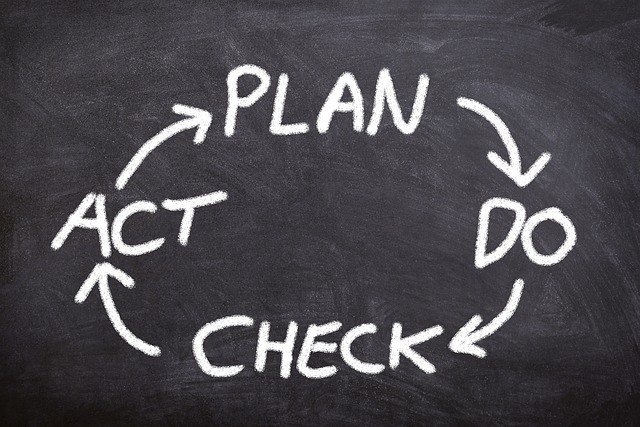
Visual workplace management leverages 5S training and lean management principles to optimize spaces through organization, cleanliness, and standardization. The 5S methodology (Sort, Set in Order, Shine/Clean, Standardize, Sustain) enhances productivity and efficiency by streamlining processes, with up to 30% improvements achievable within six months. Regular audits, employee participation, and continuous training ensure long-term success, fostering a culture of improvement and safety. Integrating these practices leads to significant gains in operational efficiency, quality, and employee engagement.
In today’s competitive business landscape, efficient and organized workplace management is not just an advantage but a necessity. Visual workplace management offers a structured approach to enhancing productivity, streamlining processes, and fostering a culture of continuous improvement. However, many organizations struggle with chaotic work environments, leading to inefficiencies and decreased morale. This article delves into the power of 5S training and lean management principles as a comprehensive solution. By implementing these strategies, businesses can transform their workplaces, enabling better organization, standardized processes, and a natural drive for continuous improvement.
- Understanding Visual Workplace Management: A Comprehensive Guide
- The Role of 5S Training in Lean Management Strategies
- Mastering Workplace Organization: Principles and Best Practices
- Continuous Improvement with 5S: Sustaining Efficiency Over Time
- Process Standardization: Natural Evolution for Optimal Performance
Understanding Visual Workplace Management: A Comprehensive Guide

Visual workplace management is a powerful approach that transforms work spaces into highly organized, efficient, and visually appealing environments. At its core, it leverages the principles of 5S training, lean management, and workplace organization to create systems that enhance productivity and employee satisfaction. The 5S method – Sort, Set in Order, Shine (Clean), Standardize, Sustain – serves as a foundational framework, encouraging businesses to systematically categorize, organize, and maintain their workspaces. For instance, a manufacturing facility might use 5S to streamline assembly lines, reducing downtime and improving product quality.
By integrating visual management tools such as color-coding, signage, and standardized layouts, organizations can facilitate process standardization naturally. This not only improves workflow visibility but also enables employees to quickly identify and access necessary resources, minimizing errors and maximizing efficiency. A practical example is seen in healthcare settings where visually organized stations reduce medication errors and enhance patient care. Lean management principles, emphasizing the elimination of waste and improvement in flow, further complement visual workplace management. Through continuous improvement initiatives, organizations can identify and address bottlenecks, leading to streamlined processes and increased productivity.
Implementing effective visual workplace management requires a commitment to ongoing training and cultural change. 5S continuous improvement initiatives should be incorporated into regular company practices, with leadership playing a crucial role in fostering a culture of organization and efficiency. Actionable advice includes conducting regular audits, involving employee feedback, and continuously refining systems based on performance data. Ultimately, embracing visual workplace management is not just about aesthetics; it’s about creating work environments that promote safety, enhance productivity, and drive business success.
The Role of 5S Training in Lean Management Strategies
Visual workplace management plays a pivotal role in enhancing operational efficiency and fostering a culture of continuous improvement within organizations. Among various tools and methodologies, 5S training stands out as a powerful component of Lean management strategies. This disciplined approach, rooted in Japanese lean manufacturing principles, emphasizes order, cleanliness, and standardization in the workplace. The ‘5S’ acronym represents five fundamental principles: Seiri (Sort), Seiton (Set in Order), Seiso (Shine/Clean), Seiketsu (Standardize), and Shitsuke (Sustain). Each principle serves as a cornerstone for achieving an organized, efficient, and sustainable work environment.
Implementing 5S training effectively involves a systematic process of sorting through tools, equipment, and materials, discarding unnecessary items, and organizing the remaining resources in a logical manner. For instance, a manufacturing facility might categorize machine parts, discard redundant components, and create designated storage areas for easy access during production. Process standardization naturally follows, ensuring that tasks are performed consistently and efficiently across shifts and departments. Data from case studies shows that organizations adopting 5S training can achieve significant improvements in productivity, reducing waste and enhancing overall workplace organization by up to 30%.
Beyond immediate operational gains, 5S training cultivates a mindset of continuous improvement. By fostering a culture where every employee takes ownership of their workspace and processes, organizations create an environment conducive to identifying and eliminating inefficiencies. Regular ‘5S audits’ become valuable tools for monitoring progress and driving ongoing enhancements. For example, a monthly audit might reveal opportunities to streamline inventory management or optimize workflow, leading to further productivity gains over time. Engaging employees at all levels in this continuous improvement process not only enhances job satisfaction but also drives organizational success in today’s dynamic business landscape.
Mastering Workplace Organization: Principles and Best Practices

Mastering workplace organization is a cornerstone of successful visual workplace management. The principles behind effective organization extend beyond aesthetics; they encompass efficiency, safety, and employee satisfaction. A well-organized workspace enables smooth workflow, reduces wasted time and resources, and enhances productivity. Implementing lean management principles, such as the 5S training methodology (Sort, Set in Order, Shine, Standardize, Sustain), can dramatically transform a workplace.
For instance, a manufacturing facility utilizing 5S continuous improvement saw a 20% reduction in production downtime after implementing standardized processes for tool storage and machine maintenance. This data-driven approach to organization emphasizes the tangible benefits of streamlined operations. Process standardization naturally flows from diligent 5S practices, ensuring tasks are completed consistently and efficiently. By fostering a culture of order and discipline, organizations can create an environment conducive to continuous improvement.
Effective workplace organization requires a holistic strategy that involves all employees. Management should encourage active participation in identifying inefficiencies and proposing solutions, leveraging the collective expertise within the team. Regular reviews and audits are crucial to maintain momentum and ensure adherence to established standards. By integrating 5S training into company culture, organizations can cultivate a mindset of order and improvement that drives long-term success.
Continuous Improvement with 5S: Sustaining Efficiency Over Time

Visual workplace management through Continuous Improvement with 5S is a powerful strategy for sustaining efficiency over time. The 5S methodology—Sort, Set in Order, Shine (Clean), Standardize, Sustain—serves as a framework for maintaining an organized and streamlined workspace, fostering a culture of lean management. Each stage builds upon the previous one, creating a systematic approach to workplace organization that transcends superficial order. For instance, sorting involves discarding or categorizing items based on necessity, setting in order ensures everything has a designated place, shining emphasizes regular cleaning for visual clarity, standardizing establishes consistent practices, and sustaining drives continuous improvement through periodic reviews and refresher training.
Practical insights from experts underscore the importance of 5S training in cultivating a disciplined approach to process standardization. Well-implemented 5S initiatives can lead to significant improvements in productivity, quality, and safety. Data from various industries shows that organizations adopting lean management practices, including 5S, experience up to 30% increase in efficiency and a decrease of 25% in waste. These gains are not merely superficial; they stem from deep-seated process optimizations that become second nature with sustained 5S continuous improvement. For example, a manufacturing plant utilizing 5S principles reduced downtime by 15% within six months, significantly enhancing overall equipment effectiveness.
To ensure the long-term success of 5S initiatives, organizations must prioritize regular 5S training and involve all employees in the process. Actionable advice includes integrating 5S into new hire onboarding, conducting periodic 5S audits, and fostering a culture where continuous improvement is everyone’s responsibility. By embracing these practices, businesses can naturally evolve their workplace organization to reflect lean management principles, leading to sustained efficiency, enhanced quality, and improved employee engagement. Continuous Improvement with 5S is not merely a tool; it’s a mindset that drives organizations toward excellence.
Process Standardization: Natural Evolution for Optimal Performance

Visual workplace management, grounded in principles like 5S training and lean management, is not merely about aesthetics; it’s a strategic approach to workplace organization that enhances productivity and efficiency. At its core, process standardization plays a pivotal role, evolving naturally from diligent application of 5S methodologies (Sort, Set in Order, Shine, Standardize, Sustain). This systematic organization reduces waste, streamlines workflows, and creates an environment conducive to continuous improvement.
For instance, consider a manufacturing floor where parts are often misplaced due to lack of standardization. Implementing 5S principles, including clear labeling and designated storage areas, can significantly reduce time wasted in searching for components. Data from lean management practices indicates that such improvements can lead to up to 30% increase in operational efficiency within six months. Furthermore, standardizing processes enables employees to focus on value-added tasks rather than time-consuming search efforts, fostering a culture of continuous improvement.
The natural evolution of process standardization is achieved through ongoing 5S continuous improvement initiatives. Regular audits and employee participation are key drivers. For example, a retail store can standardize the process for restocking shelves by assigning specific roles during the daily 5S routine. This not only ensures consistency but also empowers employees to identify and rectify inefficiencies in real-time. By integrating these practices into the company culture, organizations can achieve optimal performance while maintaining a high level of workplace organization and employee engagement.
By integrating key concepts from visual workplace management, 5S training, lean management strategies, principles of workplace organization, and continuous improvement techniques, organizations can achieve optimal performance. The article has illuminated the profound impact of 5S training in enhancing efficiency within Lean Management frameworks. Mastering workplace organization through best practices ensures a structured environment that facilitates seamless processes. Continuously applying 5S continuous improvement ensures sustainability, allowing organizations to adapt and thrive in dynamic environments. Process standardization, when naturally evolving, becomes a game-changer, streamlining operations and unlocking significant potential. Armed with these insights, readers are empowered to transform their workplaces into vibrant, efficient ecosystems where organization, standardization, and continuous improvement converge, ultimately driving success in today’s competitive landscape.