
5S training, a core lean management principle, optimizes factory floors by sorting, organizing, cleaning, standardizing, and sustaining workspaces. This systematic approach leads to significant gains in productivity (up to 12% within two years), quality, and morale. Process standardization through documentation enables consistent task performance and continuous improvement based on data-driven insights. Regular audits and employee involvement are vital for maintaining organization and fostering lean manufacturing practices. Integrating technology complements these efforts, driving ongoing improvements crucial for global market competitiveness. Proactive monitoring and strategic adjustments ensure sustained success by aligning with evolving demands.
Factory floor optimization is a critical aspect of modern manufacturing, driving efficiency, productivity, and profitability. However, navigating the complexities of large, often chaotic production environments can be challenging. Disorganized workspaces, inefficient processes, and lack of standardization hinder progress, leading to waste, downtime, and reduced quality. To address these issues, 5S training and lean management principles offer a powerful solution. By implementing systematic workplace organization, continuous improvement through 5S methodologies, and process standardization, manufacturers can transform their floors into lean, well-oiled machines that drive operational excellence.
- Understanding Factory Floor Optimization: The Foundation
- Implementing 5S Training for Efficient Workspace Organization
- Lean Management Techniques: Streamlining Processes
- Continuous Improvement with Standardized Workflows
- Measuring Success: Monitoring and Adjusting for Optimal Results
Understanding Factory Floor Optimization: The Foundation

Factory floor optimization is a multifaceted discipline that forms the bedrock of efficient manufacturing operations. At its core, it revolves around maximizing productivity while minimizing waste through strategic workplace organization and process enhancement. A key element in this arsenal is the 5S training methodology—a system derived from Japanese lean management principles. This approach involves sorting, setting in order, shining (cleaning), standardizing, and sustaining, creating an environment conducive to continuous improvement.
Implementing 5S requires a holistic view of the factory floor. For instance, a well-organized assembly line with clearly defined stations not only reduces setup times but also streamlines worker movements, minimizing unnecessary effort. Process standardization is another critical component, ensuring that tasks are performed in a consistent, efficient manner. This can be achieved through detailed documentation and training, allowing new employees to quickly reach operational efficiency. Data-driven insights play a pivotal role here; tracking key performance indicators enables managers to identify bottlenecks and areas for process refinement.
The benefits of these strategies are well documented. Companies embracing 5S and lean management principles have reported significant improvements in productivity, quality, and overall workplace morale. For instance, a study by the Lean Manufacturing Institute revealed that organizations adopting lean practices experienced an average increase of 12% in operational efficiency within two years. However, optimization is an ongoing journey. Continuous improvement requires regular reviews and adaptation to evolving market demands and technological advancements, ensuring the factory floor remains a vibrant engine of efficient production.
Implementing 5S Training for Efficient Workspace Organization
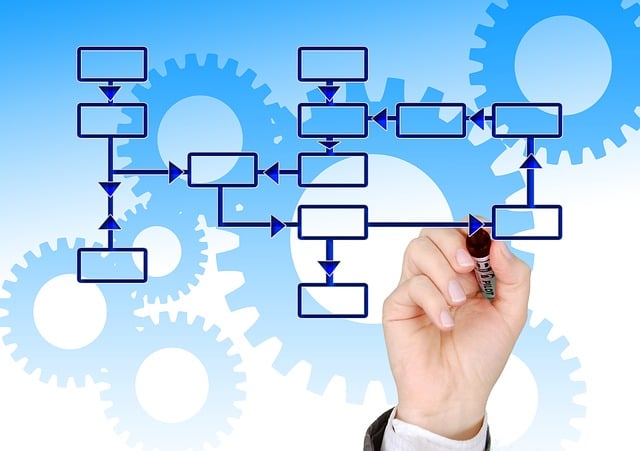
Factory floor optimization is a strategic approach to enhancing productivity and efficiency within manufacturing environments. One powerful tool within this framework is 5S training, a methodical system for workspace organization inspired by lean management principles. This disciplined practice involves sorting, setting in order, shining (cleaning), standardizing, and sustaining, creating an environment conducive to improved workflow and performance.
By implementing 5S training, manufacturers can achieve significant benefits, including reduced waste, faster cycle times, and enhanced operator morale. For instance, a case study of a Japanese auto parts manufacturer found that adopting 5S practices resulted in a 20% increase in production output over six months. This success was attributed to the streamlined workflow, minimized downtime, and improved accessibility to tools and materials enabled by effective 5S implementation.
The foundation of 5S lies in process standardization, which naturally flows from the systematic approach to workspace organization. Standardized work procedures ensure that tasks are performed consistently, enabling easier training of new employees and facilitating continuous improvement through measurable benchmarks. Regular 5S audits, coupled with ongoing employee involvement, are crucial for maintaining an organized environment and driving long-term lean manufacturing practices.
Lean Management Techniques: Streamlining Processes

Factory floor optimization through Lean Management Techniques is a strategic approach to streamline processes, enhance efficiency, and reduce waste. At the heart of this methodology lies 5S training—a foundational concept that promotes workplace organization. The 5S methodology comprises Sort, Set in Order, Shine (Clean), Standardize, and Sustain, each step building upon the previous to create an environment conducive to continuous improvement. For instance, a manufacturing facility can begin by sorting unnecessary items from the floor space, ensuring only essential tools and materials are present. This initial phase sets the stage for further optimization.
Once sorted, it’s crucial to set everything in order, establishing clear paths for workflow and easy access to required resources. Regular 5S training sessions can help maintain this organized state. As organizations embrace lean management principles, process standardization becomes natural. This involves documenting and refining each step of a task, minimizing variations that might lead to errors or delays. Data-driven insights from standardized processes reveal bottlenecks and areas for further enhancement, enabling continuous improvement over time.
Practical advice for implementing these techniques includes involving frontline workers in the 5S process, as they possess valuable contextual knowledge. Regular audits and training sessions can keep the system effective. For instance, a study of Japanese manufacturing plants adopting lean management practices showed significant improvements in productivity, with some facilities achieving up to 30% increase in output while reducing waste by nearly half. This demonstrates the power of streamlined processes and continuous improvement in optimizing factory floors.
Continuous Improvement with Standardized Workflows

Factory floor optimization is a multifaceted strategy that hinges on continuous improvement through standardized workflows. This approach leverages methodologies such as 5S training and lean management to create an environment conducive to efficiency, quality, and productivity. The 5S method—Sort, Set in Order, Shine (Clean), Standardize, Sustain—serves as a cornerstone of workplace organization, promoting a disciplined and systematic work environment. By systematically organizing tools, materials, and processes, floor workers can access what they need when they need it, minimizing downtime and maximizing output.
A practical example of 5S continuous improvement in action is seen in automotive manufacturing plants where teams implement regular “5S days” dedicated to thorough cleaning and reorganizing the factory floor. This not only enhances aesthetics but also improves safety by eliminating trip hazards and clutter. Lean management principles, which emphasize the elimination of waste and optimization of processes, are integrated into these initiatives. For instance, a study by the International Journal of Production Research found that implementing lean techniques led to an average 17% reduction in cycle time for production lines worldwide. This dramatic improvement underscores the power of process standardization in driving continuous enhancement.
Expert advice emphasizes the importance of engaging all levels of the workforce in these efforts. 5S training should be comprehensive, ensuring that every employee understands their role in maintaining a standardized workflow. Regular audits and refresher sessions can help sustain momentum. Moreover, integrating technology, such as digital inventory management systems or automated data capture tools, can complement 5S practices by providing real-time insights into material flow and identifying areas for further optimization. By combining human initiative with technological advancements, factories can achieve a state of ongoing improvement that keeps them competitive in dynamic global markets.
Measuring Success: Monitoring and Adjusting for Optimal Results

Factory floor optimization goes beyond initial setup; it’s an ongoing pursuit of excellence where success is measured by consistent, efficient production. Monitoring and adjusting processes are vital to achieving optimal results, reflecting the core principles of lean management and 5S training. These methodologies advocate for a structured approach to workplace organization, emphasizing continuous improvement (5S continuous improvement) and process standardization.
Effective monitoring involves tracking key performance indicators (KPIs) such as cycle times, defect rates, and operator productivity. Data-driven insights enable informed adjustments to production flows, equipment placement, and staffing levels. For instance, a detailed analysis of a manufacturing line might reveal that a specific machine is causing bottlenecks; addressing this through process reconfiguration or introducing 5S principles can significantly enhance efficiency. Regular audits, guided by lean management techniques, help identify areas for refinement, ensuring the factory floor remains a dynamic environment that adapts to evolving demands.
Adjustments should be strategic and iterative. They could involve implementing standardized work instructions, refining layout design based on material flow principles, or retraining staff in advanced 5S techniques. These adjustments are not one-time events but part of an ongoing cycle of improvement. For example, a facility might witness a decline in productivity after introducing a new machine; a careful review, guided by lean principles, would identify misalignments and allow for course correction, ensuring the machine operates at peak efficiency within the existing workflow. This proactive monitoring and continuous adjustment are what drive sustainable success on the factory floor.
Factory floor optimization is a multifaceted approach that combines structured workplace organization, streamlined processes, and continuous improvement. Key takeaways include the importance of implementing 5S training for efficient workspace organization, adopting lean management techniques to streamline processes, and embracing standardized workflows for continuous improvement. Monitoring and adjusting these strategies are vital to ensure optimal results. By integrating 5S training, lean management, and process standardization, manufacturers can enhance productivity, reduce waste, and foster a culture of ongoing enhancement, solidifying the article’s authority on this transformative topic.