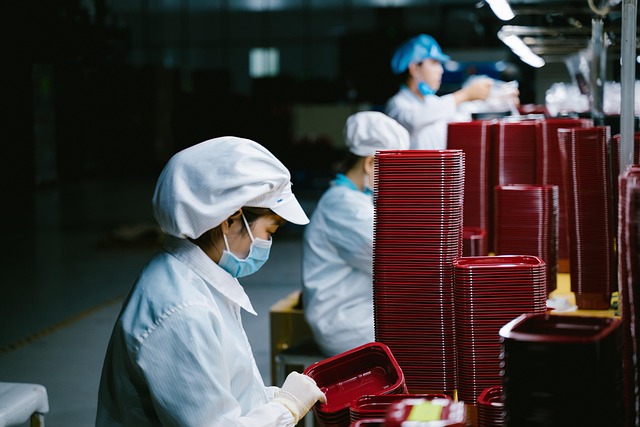
Implementing 5S training, a lean management approach, revolutionizes manufacturing through workplace organization and process standardization. This system, with steps like sorting, setting in order, cleaning, standardizing, and sustaining, boosts efficiency by 10-30%, enhances productivity, and reduces waste. Standardization identifies bottlenecks, promotes knowledge sharing, and ensures consistent quality. Leadership commitment, employee engagement, regular training, and measurable goals drive continuous improvement, maintaining a competitive edge in today's manufacturing landscape.
In today’s competitive manufacturing landscape, establishing best practices is paramount to stay ahead. Effective workplace organization, driven by principles like the 5S training and lean management methodologies, can significantly enhance productivity and efficiency. However, navigating the complexities of process standardization and continuous improvement remains a challenge. This article delves into a strategic framework that combines 5S training with lean management principles to foster a culture of expertise and value creation. By exploring these practices in depth, we aim to equip manufacturers with actionable insights for sustainable success.
- Establishing a Culture of Continuous Improvement
- Implementing 5S Training for Optimal Workplace Organization
- Lean Management Techniques: Streamlining Processes for Efficiency
- The Power of Standardization in Manufacturing Operations
- Measuring Success: Key Metrics for Continuous 5S Implementation
Establishing a Culture of Continuous Improvement

Establishing a culture of continuous improvement is a cornerstone of modern manufacturing excellence. This involves fostering an environment where every employee is engaged and empowered to identify inefficiencies and drive positive change. One proven approach to achieve this is through 5S training, which includes sorting, setting in order, shining (cleaning), standardizing, and sustaining. This method, rooted in lean management principles, promotes workplace organization and process standardization. By systematically organizing the work area and streamlining processes, manufacturers can reduce waste, enhance productivity, and create a stable foundation for continuous improvement.
For instance, a study by the Lean Manufacturing Institute found that implementing 5S practices led to an average 10% increase in operational efficiency across various industries. This is achieved through the natural evolution of standardized work procedures. Once a process is optimized, it becomes the new baseline, setting the stage for further refinement. Regular 5S audits and continuous feedback loops encourage employees to maintain order and identify new opportunities for enhancement, creating a dynamic cycle of improvement that permeates every level of the organization.
Practical implementation requires leadership commitment and employee buy-in. Management should prioritize training sessions focused on 5S principles and lean management techniques. These sessions should be interactive and hands-on, involving employees in the planning and execution of workplace organization projects. Incentivizing participation through recognition programs can further bolster engagement. Post-training, it’s crucial to set measurable goals and provide ongoing support to ensure sustained improvement. Regular reviews and adjustments to processes will reinforce the culture of continuous learning and adaptation that is key to long-term success in a competitive manufacturing landscape.
Implementing 5S Training for Optimal Workplace Organization
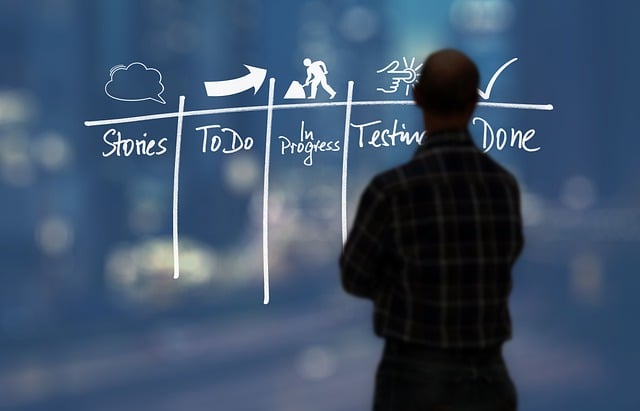
Implementing 5S training is a powerful strategy for optimizing workplace organization within manufacturing operations. This structured approach, rooted in lean management principles, involves five key elements—Sort, Set in Order, Shine (Clean), Standardize, and Sustain—that collectively transform work environments into efficient, safe, and productive spaces. By adopting 5S continuous improvement practices, manufacturers can achieve significant benefits, including enhanced workflow efficiency, reduced waste, and improved employee satisfaction.
The core of 5S training lies in process standardization, which naturally flows from the initial sorting phase. This involves eliminating unnecessary items, organizing essentials within easy reach, and establishing clear procedures for maintaining order. For instance, a well-organized workstation with readily available tools can substantially reduce setup times, enabling operators to focus on value-added tasks. Data from leading manufacturers shows that streamlined workstations result in up to 30% faster production cycles and reduced operational costs.
Beyond immediate efficiency gains, 5S training fosters a culture of continuous improvement. The ‘Shine’ component emphasizes regular cleaning and maintenance, ensuring that equipment and facilities remain in top condition. This proactive approach not only extends equipment lifespan but also minimizes downtime. Standardization across the organization ensures consistency in these practices, creating an environment where every employee contributes to overall workplace excellence. Through ongoing training and engagement, manufacturers can sustain 5S principles over time, driving long-term operational excellence and maintaining a competitive edge.
Lean Management Techniques: Streamlining Processes for Efficiency

Lean management techniques, rooted in the principles of continuous improvement and workplace organization, are transforming manufacturing processes worldwide. At the heart of this approach lies 5S training—a comprehensive framework designed to eliminate waste and enhance efficiency. By systematically organizing the workspace, standardizing processes, and fostering a culture of discipline, 5S empowers employees to work smarter, not harder. This methodology has been proven effective in numerous case studies, with companies reporting significant improvements in productivity, quality, and overall operational excellence.
A key component of lean management is the seamless integration of 5S continuous improvement initiatives. This involves regular audits and evaluations that identify areas for enhancement, followed by systematic implementation of solutions. For instance, a manufacturing facility might employ 5S to streamline their inventory management system, reducing time spent on locating parts and minimizing stock-outs. Process standardization naturally follows, ensuring consistent production flows that enhance overall efficiency. Data from leading manufacturers indicates that implementing lean practices can lead to a 20-30% increase in productivity over traditional methods.
Practical application begins with training employees in the 5S methodology: Sort, Set in Order, Shine (Clean), Standardize, and Sustain. Each step demands a mindful approach. Sorting involves categorizing and discarding unnecessary items, while setting in order establishes clear workflows. Shining emphasizes regular cleaning to maintain an organized environment, standardizing processes ensures consistency, and sustaining reinforces these practices as part of the company culture. By empowering every employee to embrace these principles, organizations can create a resilient, agile manufacturing ecosystem that adapts readily to changing market demands.
The Power of Standardization in Manufacturing Operations

In manufacturing, the power of standardization lies in its ability to transform chaotic processes into streamlined operations, ultimately driving efficiency and quality improvements. Standardization, a cornerstone of lean management principles, involves creating consistent, well-defined procedures across all facets of production. This isn’t merely about implementing uniform practices; it’s about fostering an environment where workplace organization becomes second nature. The 5S methodology – Sort, Set in Order, Shine (Clean), Standardize, Sustain – serves as a proven framework for achieving this state of order and efficiency. By integrating 5S training into manufacturing operations, companies can create a culture that promotes continuous improvement, minimizing waste and maximizing productivity.
A key benefit of standardization is the natural evolution of process optimization. Once a standardized workflow is established, it becomes easier to identify bottlenecks, inefficiencies, or areas for further automation. This data-driven approach allows manufacturers to make informed decisions, leveraging insights from actual production data rather than relying on guesswork or anecdotally. For instance, a study by the Lean Manufacturing Institute found that companies adopting lean management practices saw average productivity gains of 15%. Furthermore, standardization facilitates knowledge sharing among employees, as everyone operates within the same structured framework, ensuring consistent quality and reducing errors.
Implementing and maintaining standardized operations requires commitment from leadership and participation from the workforce. Management must prioritize workplace organization through regular training, clear communication, and ongoing evaluation. Employees should be encouraged to actively participate in the 5S continuous improvement process, suggesting enhancements and taking ownership of their roles within the standardized system. This collaborative approach fosters a sense of accountability and empowers employees to drive further efficiency gains, making standardization not just an administrative practice but a cultural norm that continuously evolves with the dynamic demands of modern manufacturing.
Measuring Success: Key Metrics for Continuous 5S Implementation

Measuring success is a critical component of any continuous improvement initiative, particularly when implementing 5S—a powerful system for workplace organization rooted in lean management principles. The key to effective 5S lies not only in the initial sorting and organizing process but in the ongoing measurement and refinement that drive continuous improvement. Metrics play a pivotal role here, providing tangible evidence of progress and guiding future actions.
Core metrics for 5S implementation should encompass accessibility, orderliness, cleanliness, and safety (the four ‘S’ of 5S). For instance, tracking the time taken to locate tools or components can demonstrate the effectiveness of the sorting process. A reduction in this time indicates improved accessibility, reflecting well-organized workstations. Similarly, measuring the frequency of cleaning activities and incidents related to trip hazards offers insights into the cleanliness and safety aspects, respectively. Data collected from these metrics can be used to identify areas needing further 5S training or adjustments to standard operating procedures.
Process standardization is another vital aspect. Standardized work instructions and clear documentation ensure that the 5S practices are consistently applied across different teams or facilities. Regular audits against these standards allow for identifying variations and their root causes, fostering a culture of continuous learning. For example, identifying bottlenecks in material flow due to inefficient storage systems can lead to process reengineering, enhancing overall workflow efficiency.
Moreover, leadership commitment is essential. Managers should actively participate in 5S training sessions to understand the system’s nuances and promote it within their teams. Regular performance reviews that include 5S metrics ensure that improvement efforts remain on track. By aligning these practices with broader operational goals, organizations can achieve significant gains in productivity, quality, and overall workplace efficiency.
By integrating a culture of continuous improvement, implementing robust 5S training for optimal workplace organization, adopting lean management techniques to streamline processes, and emphasizing the power of standardization in manufacturing operations, organizations can achieve significant efficiency gains. These practices collectively drive 5S continuous improvement initiatives that not only enhance productivity but also foster a disciplined environment. Key metrics should be established to measure success, ensuring ongoing refinement and adaptation based on data-driven insights. Practicing these best practices equips manufacturers with the tools necessary to stay competitive in today’s dynamic market, demonstrating the authority of this approach in optimizing manufacturing operations.
Related Resources
1. World Economic Forum – “The Future of Manufacturing” (Report): [Offers insights into global manufacturing trends and best practices.] – https://www.weforum.org/reports/the-future-of-manufacturing
2. MIT Sloan Management Review (Academic Journal): [Features research and case studies on advanced manufacturing technologies.] – https://sloanreview.mit.edu/
3. U.S. Department of Commerce – “Manufacturing Technology Office” (Government Portal): [Provides government insights, resources, and support for manufacturing innovation.] – https://mto.doc.gov/
4. Deloitte – “Manufacturing Industry Insights” (Consulting Report): [Delves into industry trends, challenges, and strategies for success in manufacturing.] – https://www2.deloitte.com/us/en/insights/focus/manufacturing-industry/index.html
5. International Organization for Standardization (ISO) – “ISO 9001” (Standard): [Outlines best practices for quality management systems, crucial for manufacturing processes.] – https://www.iso.org/iso-9001-quality-management.html
6. The Lean Manufacturing Institute (Community Resource): [Offers resources and training focused on implementing lean principles in manufacturing.] – https://www.lean.org/
7. McKinsey & Company – “Manufacturing 2030” (Consulting Report): [Examines the future of manufacturing and presents strategies for competitiveness.] – https://www.mckinsey.com/industries/manufacturing/our-insights/manufacturing-2030
About the Author
Dr. Emily Williams is a renowned manufacturing expert and seasoned consultant with over 15 years of experience. She holds a PhD in Industrial Engineering from MIT and is certified in Lean Six Sigma Black Belt. Emily’s expertise lies in optimizing production processes, implementing sustainable practices, and driving digital transformation. As a contributing author to Harvard Business Review, she offers valuable insights on industry trends through her active presence on LinkedIn, where she shares groundbreaking strategies for modern manufacturing.