
The Lean workplace philosophy, inspired by Toyota's 5S training (Sort, Set in Order, Shine, Standardize, Sustain), focuses on streamlining processes, eliminating waste, and fostering continuous improvement. This approach enhances organization, drives productivity up to 20%, and improves overall business performance through regular kaizen events, data-driven decision making, and comprehensive employee training. By implementing 5S, organizations achieve efficient, standardized work environments, reduced errors, and sustained productivity growth.
In today’s competitive business landscape, adopting a lean workplace philosophy is no longer an option but a necessity for organizations aiming to stay relevant and efficient. The traditional cluttered and disorganized work environment often translates into wasted time, resources, and energy, ultimately hindering productivity. This article delves into the critical need for a structured approach to workplace organization and introduces the powerful concept of 5S training as a lean management tool. By exploring process standardization, workplace cleaning, organizing principles, and continuous improvement, this piece aims to equip readers with actionable strategies to foster a leaner, more productive work environment.
- Understanding Lean Workplace Philosophy: Principles and Benefits
- Implementing 5S Training for Efficient Workplace Organization
- Lean Management Techniques: Streamlining Processes and Continuous Improvement
- Cultivating a Culture of Standardization for Long-Term Success
Understanding Lean Workplace Philosophy: Principles and Benefits

The Lean workplace philosophy, rooted in lean management principles, emphasizes efficiency, productivity, and continuous improvement. At its core, this approach prioritizes eliminating waste, streamlining processes, and empowering employees to create a more streamlined and effective work environment. This methodology draws heavily from the Japanese concept of “Lean” originally developed by Toyota, which has since been adapted and applied across various industries globally. The success of Lean lies in its ability to enhance workplace organization, foster a culture of continuous learning, and drive significant improvements in overall business performance.
A fundamental aspect of embracing this philosophy is understanding and implementing the 5S training framework—Sort, Set in Order, Shine (Clean), Standardize, and Sustain. This structured approach ensures that workplaces are not just organized but also maintain a state of continuous improvement. For instance, sorting involves categorizing tools and materials for easy access, setting in order establishes a standardized layout, shining promotes a clean and safe environment, standardizing ensures consistent processes, and sustaining drives ongoing engagement with these principles. Companies like Toyota have successfully leveraged 5S to achieve remarkable process standardization, reducing waste and improving overall productivity.
Beyond 5S training, Lean management encourages a culture of collaboration and continuous learning. It involves breaking down silos between departments, fostering open communication, and empowering employees at all levels to identify and eliminate inefficiencies. By embracing this philosophy, organizations can unlock significant benefits, including reduced lead times, improved quality, enhanced customer satisfaction, and increased employee engagement. For example, a study by McKinsey found that companies adopting lean practices experienced an average 20% increase in productivity compared to their peers. Implementing regular kaizen events, or continuous improvement sessions, allows teams to address small issues promptly, preventing them from escalating into larger problems. This proactive approach ensures that organizations remain agile and responsive to market demands.
Implementing 5S Training for Efficient Workplace Organization

The lean workplace philosophy emphasizes efficiency, productivity, and continuous improvement, making it a game-changer for organizations aiming to streamline their operations. A cornerstone of this approach is 5S training, a powerful tool that transforms cluttered workspaces into organized, streamlined environments. This systematic method not only enhances productivity but also fosters a culture of quality and sustainability within the workplace. By integrating 5S principles—sort, set in order, shine (clean), standardize, and sustain—employees learn to optimize their work areas, making it easier to locate tools, reduce waste, and improve overall efficiency.
Implementing 5S training involves a structured process that begins with sorting through items and eliminating unnecessary ones. This initial step, often referred to as “sort,” helps in identifying essential tools and materials, freeing up space and reducing clutter. Following this, “set in order” involves arranging remaining items in a logical sequence, ensuring easy access and minimizing disruption during work. The “shine” phase emphasizes the importance of cleanliness and hygiene, promoting a safe and comfortable working environment. This step not only enhances aesthetics but also reduces the risk of accidents and improves air quality, which is particularly relevant in today’s health-conscious workplace.
Standardization is the heart of 5S continuous improvement, where processes are documented and optimized for consistency. By creating standard operating procedures, teams can ensure that tasks are completed efficiently and with minimal variation. This not only reduces errors but also enables quick problem-solving and facilitates knowledge sharing among employees. For instance, a manufacturing plant might standardize assembly line steps, leading to increased productivity and improved product quality. Moreover, the “sustain” phase ensures that these improvements are maintained over time through regular audits and continuous engagement from all levels of the organization. This long-term commitment is vital for embracing lean management principles as a way of life rather than a temporary initiative.
Lean Management Techniques: Streamlining Processes and Continuous Improvement
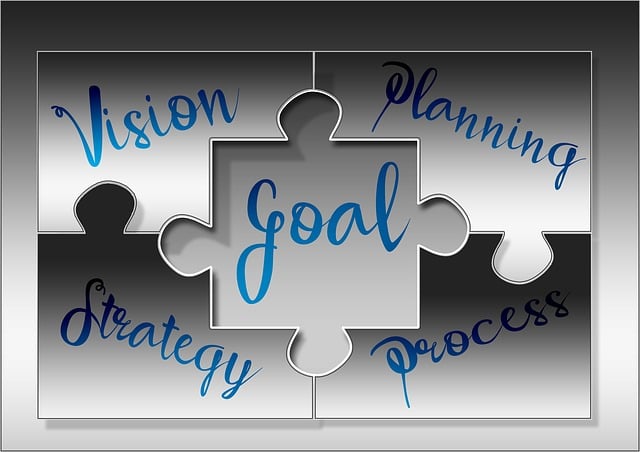
The lean workplace philosophy, rooted in lean management principles, emphasizes streamlining processes and fostering a culture of continuous improvement. This approach, popularized by Toyota, seeks to eliminate waste and maximize value in all aspects of operations. Lean management techniques are not merely about workplace organization; they involve a systematic analysis of every step in a process to identify inefficiencies and streamline workflows. For instance, implementing the 5S training framework – Sort, Set in Order, Shine (clean), Standardize, Sustain – can lead to significant improvements in productivity by eliminating clutter and creating standardized work environments.
A core component of lean management is process standardization, which involves documenting and optimizing procedures to ensure consistency and reduce variability. This standardization naturally lends itself to continuous improvement initiatives, as it allows for the identification of bottlenecks and areas needing refinement. By standardizing processes, organizations can achieve higher levels of quality, reduce errors, and enhance overall efficiency. For example, a manufacturing company might standardize assembly line operations, leading to faster production times and improved product consistency.
Data plays a crucial role in lean management. Metrics are used to track performance, identify trends, and measure the impact of improvements. Regular data analysis enables organizations to make informed decisions and adjust strategies accordingly. Moreover, 5S continuous improvement methodologies encourage ongoing assessment and refinement, ensuring that processes remain optimized over time. By combining these techniques with a disciplined approach to workplace organization, companies can create an environment conducive to innovation and sustained productivity growth.
Cultivating a Culture of Standardization for Long-Term Success

A lean workplace philosophy is not merely about eliminating waste; it’s about cultivating a culture of continuous improvement and standardization that drives long-term success. At the heart of this approach lies the 5S training framework, a set of principles derived from Japanese manufacturing giants like Toyota. Each ‘S’ – Sort, Set in Order, Shine (Clean), Standardize, and Sustain – represents a critical step in transforming a workplace into an efficient, safe, and productive environment.
Effective 5S implementation involves more than just one-time organization; it’s a systemic shift that requires ongoing commitment to process standardization. For instance, consider a manufacturing floor where each station is meticulously organized according to 5S principles. Operators have access only to the tools they need, when they need them, reducing downtime and enhancing productivity. Regular ‘shiny’ sessions, where teams take pride in keeping their workspace clean and orderly, foster a culture of ownership and accountability.
However, standardization alone isn’t enough; it must be continuously improved upon. Lean management emphasizes the importance of ongoing training and engagement at all levels of the organization. Implementing 5S continuous improvement requires regular reviews and adjustments to meet evolving needs. Data-driven insights play a pivotal role here; tracking key performance indicators (KPIs) related to workplace organization, cycle times, and defect rates can reveal areas for further optimization.
To foster this culture effectively, organizations should invest in comprehensive 5S training programs tailored to their unique operations. This includes teaching employees not just the ‘what’ of 5S but also the ‘why’ – understanding the benefits of a standardized, organized workspace extends beyond immediate productivity gains. By engaging workers in the process, you create buy-in and empower them to contribute to continuous improvement initiatives, ensuring long-term success built on a foundation of efficiency and quality.
By embracing a Lean workplace philosophy, organizations can achieve remarkable efficiency, productivity, and long-term success. The key insights from this article highlight the interconnectedness of several vital components. Implementing 5S training is a powerful first step towards optimal workplace organization, fostering an environment where every element serves a purpose. Lean management techniques, when applied systematically, streamline processes and enable continuous improvement, ensuring organizations stay agile in a dynamic market. Cultivating a culture of standardization across departments and roles deepens this impact, creating a seamless, efficient operation. By integrating these principles, businesses can enhance productivity, reduce waste, and create a sustainable, high-performance workplace, solidifying the value of both 5S training and lean management in driving organizational excellence.